Software & Hardware
Realtime IoT Device Monitoring — Software & Hardware
End-to-end monitoring for IoT fleets: edge hardware, firmware, and backend software combining open-source components with proprietary glue for realtime telemetry and alerts.
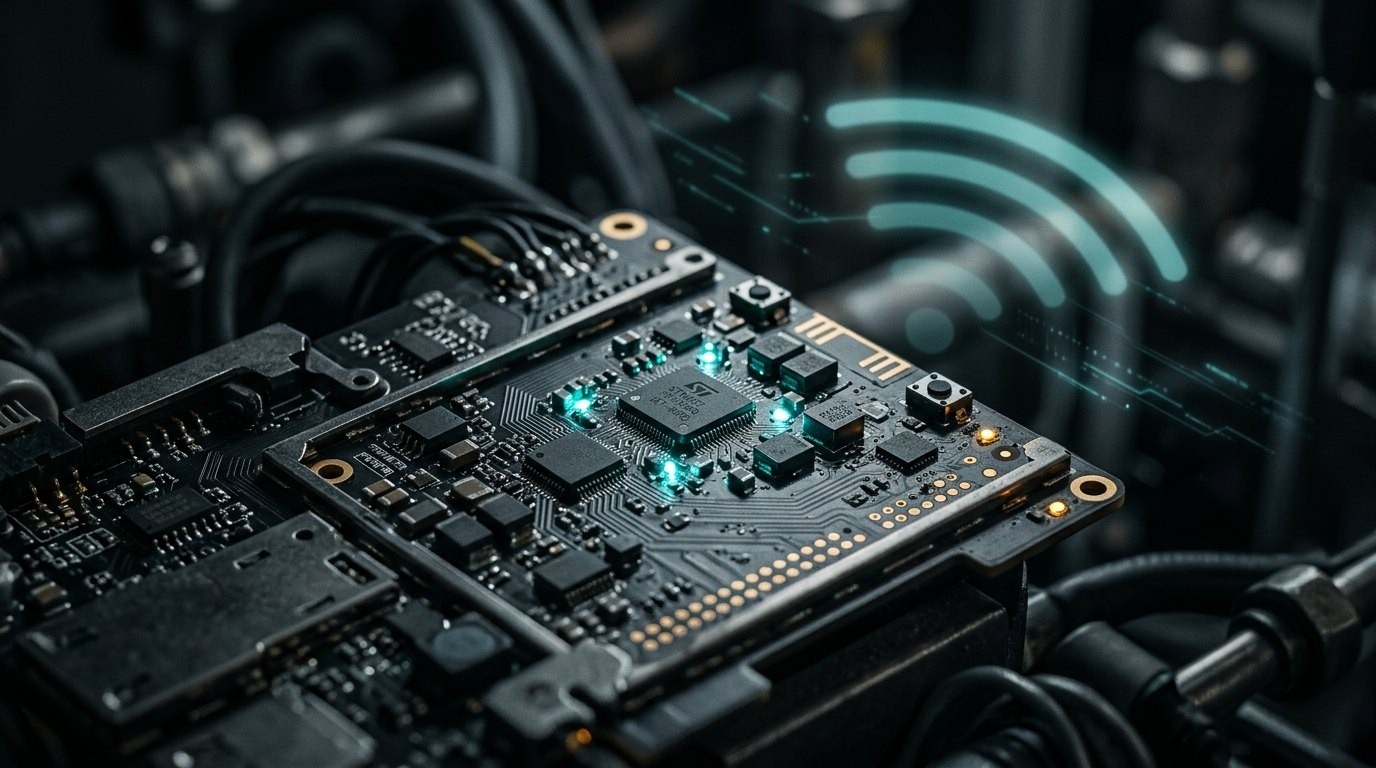
Overview
This project delivers realtime monitoring for a fleet of IoT devices in the field. It spans embedded hardware and firmware on the device, software on the backend for ingestion and storage, and operator-facing views for health, trends, and incidents.
The stack deliberately mixes open-source building blocks with proprietary components. Open source keeps us aligned with industry standards and avoids reinventing stable wheels. Proprietary pieces cover integration depth, hard realtime paths, and anything the customer prefers to keep under their own roof.
The Problem Space
IoT deployments fail quietly: a sensor drops offline, a gateway reboots in a loop, or firmware skews across batches. Spreadsheet exports and nightly CSV jobs are too slow when uptime or safety depends on minutes, not days. The system is built around continuous telemetry, clear device identity, and alerts that explain what broke, not only that something turned red.
What We Built
Devices and connectivity
On the hardware side, the work includes selecting or designing boards, radio or wired connectivity, power budgets, and environmental packaging where needed. Firmware handles secure bootstrapping, reconnect logic, and efficient payloads so bandwidth and battery are not wasted.
Backend and data path
The cloud side ingests high-volume streams, deduplicates and normalizes device events, and retains enough history for troubleshooting without drowning storage. We use proven open-source pieces for messaging, databases, and observability of the pipeline itself, then add custom services for business rules, tenancy, and integrations.
Operator experience
Dashboards show fleet health, per-device drill-down, and alert history. The goal is an honest picture: when something is unknown or degraded, the UI says so instead of hiding gaps behind green icons.
Why Mix Open Source and Proprietary
Open source gives speed, peer review, and long-term maintenance for common layers (protocols, drivers, core infrastructure). Proprietary code is reserved for customer-specific logic, competitive differentiation, licensing constraints, or places where we need full control over behavior and release cadence. The split is documented so the client always knows what they can audit, fork, or replace.
Who It Is For
Teams running physical devices at scale — industrial, logistics, facilities, or similar — who need engineering visibility without building an entire IoT platform from scratch.
Current Status
Active. Hardware revisions, firmware channels, and monitoring rules evolve with what we learn from production traffic.
- Edge that matches the field. Custom hardware choices and firmware paths where off-the-shelf boards are not enough — power, connectivity, and environmental constraints drive the design.
- Open source plus proprietary layers. Standard protocols, drivers, and libraries where they are mature and well supported; proprietary code where we need tight control, licensing clarity, or performance.
- Realtime paths end to end. Telemetry flows from devices through ingestion to live dashboards and alerting — built so operators see problems while they still matter, not only in yesterday’s batch job.